Cotswold Wildlife Park Celebrates Hat-Trick of Bird Breeding Firsts
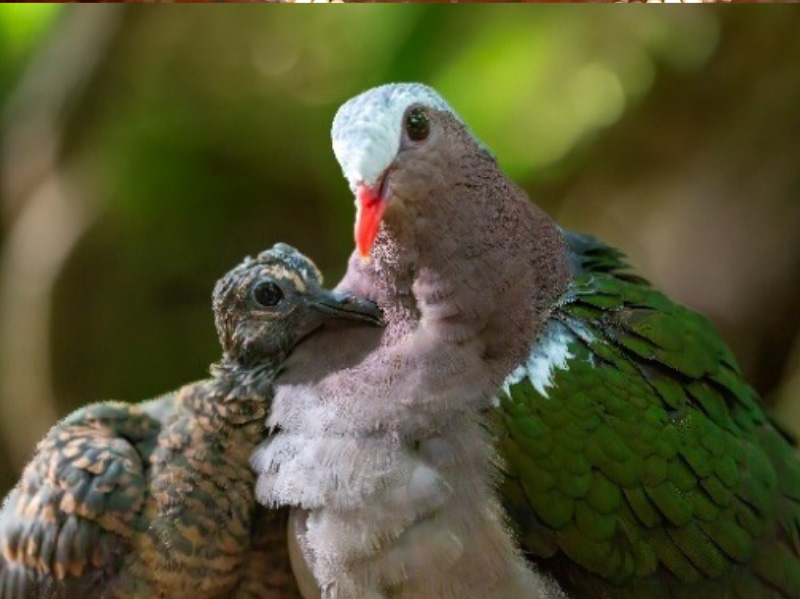
Cotswold Wildlife Park is celebrating a hat-trick of breeding firsts after successfully welcoming Blacksmith Plover, Emerald Dove and Greater Coucal chicks for the first time in the Park's history
Remarkably, all three species produced more than one clutch, with Emerald Doves and Blacksmith Plovers successfully rearing their own chicks while the Greater Coucals required a helping hand from the Park's Bird Section.
The Greater Coucal chicks were hand-reared after their parents proved less capable of raising them, marking the first time the species has been hand-reared by a UK zoological collection.
Meet Skunk, Badger and Bodger
The first Greater Coucal chick weighed just 10.9 grams when it hatched and was named Skunk because its black body and distinctive crest of white downy feathers resembled the black-and-white mammal. Initially requiring feeding every two hours during the day, Skunk grew rapidly to around 240 grams and reached adult size in just over a month.
Two further eggs laid by the parents were also successfully hand-reared. Named Badger and Bodger, the youngsters have now joined their older sibling in an off-show aviary under the watchful eye of their keepers. Cotswold Wildlife Park is the only zoological collection in the UK, and one of only two globally, to keep Greater Coucals.
Six Blacksmith Plover chicks successfully reared
The Park's Blacksmith Plovers also surprised their keepers by successfully producing two clutches containing three chicks each. Head Keeper at Cotswold Wildlife Park, Natalie Horner, said:
“We've had a great bird breeding season this year including two clutches of Blacksmith Plover chicks. Three chicks in each clutch! They have all now fully fledged and moved into their own aviaries off show.”
Volunteer Animal Keeper Annabelle Hart placed camera traps near the nest and, after recording more than 36 hours of footage, captured the moment three tiny chicks emerged from beneath their mother. The Park is one of only two UK zoological collections to have bred Blacksmith Plovers during the past year.
Bumper year for Emerald Doves
Emerald Doves in the Tropical House have also enjoyed a successful breeding season, with three squabs reared and further chicks potentially on the way. Natalie added:
“They are a very relaxed species, with one of our pairs nesting right next to the public pathway, giving our visitors a close look at the incubation and rearing process.” Speaking about the Greater Coucals, she continued: “The chicks hatch with the most amazing feather composition, giving them a rather unique look. Their striking black-and-white colouring has certainly inspired their names and they really are some of the most memorable-looking chicks we've ever hand-reared!”
Dinosaurs of the air
The rather prehistoric appearance of the Coucal chicks is particularly appropriate because modern birds are the surviving descendants of dinosaurs.
The evolutionary connection is explored in palaeontologist Dr Stephen Brusatte's 2026 book The Story of Birds, which traces around 150 million years of bird evolution from small carnivorous dinosaurs to the thousands of species found around the world today.
Award-winning photographer Philip Joyce has captured the Park's latest arrivals, including an Emerald Dove squab with its mother, Blacksmith Plover chicks exploring on their distinctive stilt-like legs and the unusual-looking Greater Coucal youngsters.
> Discover Cotswold Wildlife Park
Explore Gloucestershire
24 September 2026
This article was edited using AI from supplied press material.
For further information.
OTHER NEWS